
Content from the first class of CORE 456, Digital Revolution
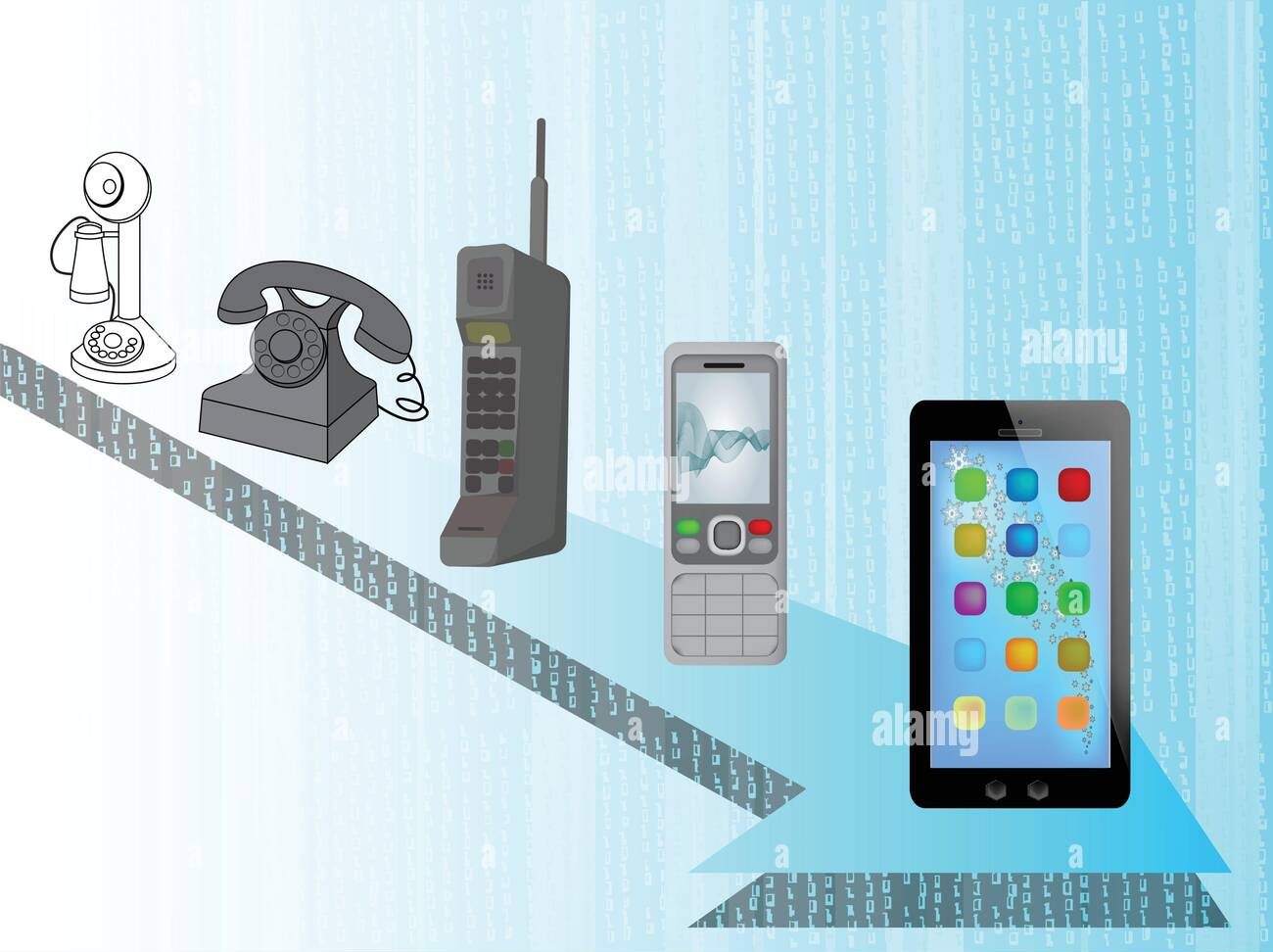
The digital world has evolved more and more over the years. There have been physical changes that everyone has been able to see like; televisions, computers and cell phones getting smaller and more portable. These changes for the digital world have changed the way everyone lives their lives now, even if you are not always connected to a digital device you still see them all around the world and rely on them to expose you to information that newspapers might have given you before.
Smaller changes that would not have been physically seen, but made a lasting impact on the technology out there today is the switch from analog systems to digital systems. Analog systems have an infinite amount of symbols or characters it could be, so when talking on an analog phone there is going to be static or it is going to be hard to understand what the other person is saying on the other line, due to how many different possibilities could come across.
With a digital system, there is a set number of symbols or characters that could come across in a phone call, so the speech of the person on the other line is going to be much clearer. This can be physically seen when you look at a television that is programmed to be analog instead of digital, when you are not on a station that has a clear connection you may still be able to see the picture, but you will have static behind the words and might not be able to make out exactly what they are saying.
There have been many useful changes in the world due to switching to a digital system, but one I believe is worth noting is the changes to how people are developing websites. People have disabilities in all sorts of ways, but specifically for the visually impaired website creators have implemented different features, so that they are still able to get information from a website without having to see it. One main feature is alternative text. This allows the website creators to put “behind the scenes text”, if you will, so that people can listen to the information that has been given to them. There are features that can describe what a link is to something, so that the person can find exactly what they are looking for. These features allow the disabled to interact with something that was originally made for the abled.
Below is a timeline of some objects or events that have taken place in the world that have changed the way we see technology, whether it is digital or analog systems. These events were discussed in class.
About 6,000 years ago, ancient Egyptians pioneered the use of hieroglyphics, an intricate system of writing that represented sounds and specific words. These hieroglyphs, essentially digital symbols, enabled precise communication, with each symbol denoting a distinct sound or concept.
In 1973, when Martin Cooper made history by placing the first analog cell phone call in Manhattan. This device, weighed approximately 2.5 pounds and costing about $4,000, operated by amplifying voice waves and transmitting them, akin to a radio. However, analog phones often experienced static or “snow” making peoples voices harder to hear.
By 1983, the usage of cell phones surged, posing a greater need for the development of digital cell phones. These devices offered a device that would mitigate the static issues prevalent in analog systems.
In the 1990s, second-generation digital cellular networks emerged, after first-generation analog cellular networks were created. These digital networks facilitated the transfer of bits and data between phones, enabling encrypted calls and introducing the use of text and multimedia messages. Digital symbols, such as letters, could now be sent between devices, laying the groundwork for the smartphones we use today.
Before 2009, analog televisions relied on antennas to connect to specific signals, transmitting data through variable waves and frequencies. However, these analog TVs had a limited number of available channels, spread out to minimize interference in frequency, often resulting in static or “snow” audio disturbances. This led to the need of the Federal Communications Commission (FCC) initiating a shift from analog to digital televisions on June 12, 2009. This transition mandated the transmission of television signals in digital format, offering numerous advantages. Digital TVs transmit data digitally, allowing for more channels to be packed closer together, as they require a smaller range of frequency and transmission compared to analog signals.